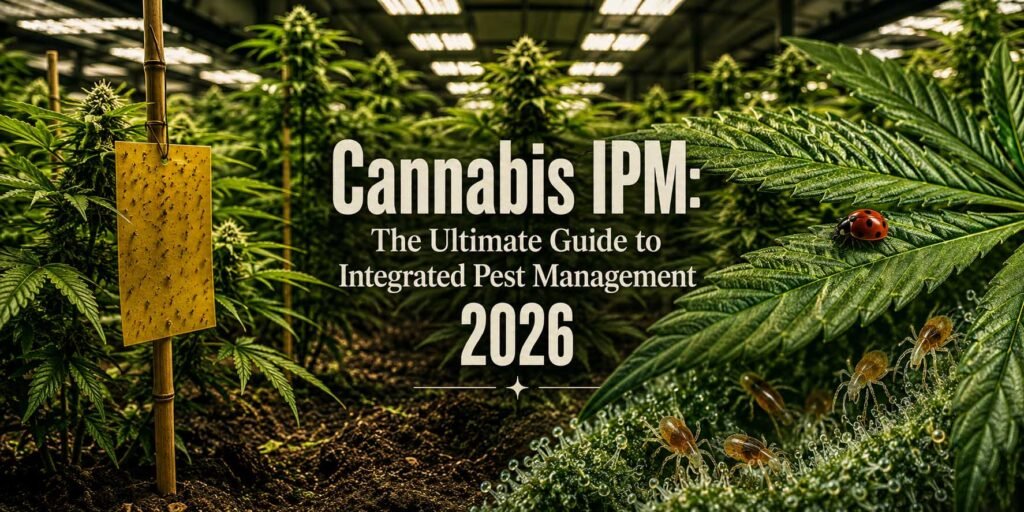
Pests are an inevitable part of cannabis cultivation. The question is never whether they will appear — it is whether your growing system is resilient enough to manage them without reaching for synthetic chemical solutions that compromise the plant, the product, and the ecosystem that makes quality cannabis possible.
Cannabis IPM — Integrated Pest Management — is the answer. A holistic, prevention-first philosophy that combines biological, cultural, mechanical, and organic controls to manage pest pressure while protecting the living soil ecosystem that craft cannabis depends on. At Space Trees Chiang Mai, cannabis IPM is not a last resort — it is the foundation of how we grow. Every decision we make in the grow room begins with cannabis IPM thinking. This complete cannabis IPM guide covers the full system from soil-level prevention through to targeted intervention when it is needed.
Table of Contents
- What Is Cannabis IPM?
- Why IPM Is Essential in Living Soil Cultivation
- The Four Levels of Cannabis IPM
- Prevention: The First and Most Important Level
- Biological Controls: Nature’s Pest Management Team
- Mechanical and Physical Controls
- Organic Chemical Controls: The Last Resort
- The Most Common Cannabis Pests and How to Handle Them
- Monitoring and Documentation
- The Space Trees Cannabis IPM Philosophy
- The Cannabis IPM Content Series
- FAQ
What Is Cannabis IPM?
Cannabis IPM stands for Integrated Pest Management — a science-based approach to pest control that prioritises prevention, ecosystem health, and targeted intervention over blanket chemical application.
The core principle of cannabis IPM is simple: a healthy, biodiverse growing environment is the most effective pest management system that exists. When the growing medium, the air environment, and the plant itself are in optimal health, pest pressure is naturally suppressed. When pests do appear — and they will — a well-designed cannabis IPM system provides a hierarchy of responses that address the problem without disrupting the ecosystem that makes quality cultivation possible.
Cannabis IPM is not:
- Spraying on a schedule regardless of pest pressure
- Using synthetic pesticides as a first response
- Treating symptoms without addressing causes
- A one-size-fits-all solution
Cannabis IPM is:
- A prevention-first philosophy built into every cultivation decision
- A monitoring system that detects problems early when they are easiest to resolve
- A tiered response hierarchy from least to most intervention
- A long-term investment in ecosystem resilience
Why Cannabis IPM Is Essential in Living Soil Cultivation
In conventional growing systems — hydroponics, coco coir, synthetic nutrients — cannabis IPM operates somewhat independently of the growing medium. Pesticides can be applied without significant concern for soil biology because there is no meaningful soil biology to protect.
In living soil cultivation, this calculation changes completely.
The living soil ecosystem — billions of bacteria per teaspoon, mycorrhizal fungal networks, beneficial nematodes, predatory insects at the root zone — is not just a nice-to-have. It is the biological engine that produces the complex terpene profiles, exceptional resin expression, and full-spectrum cannabinoid development that defines craft cannabis. Synthetic pesticides do not discriminate. Applied to a living soil system, they do not just kill the target pest — they disrupt the microbial ecosystem that the plant depends on, setting back months of biological development in a single spray.
This is why cannabis IPM in living soil is not just preferable to conventional pest control — it is the only approach that is compatible with the growing system. At Space Trees, we do not use synthetic pesticides. We never have. Our cannabis IPM programme is built entirely on prevention, biological controls, and organic interventions that work with the living soil ecosystem rather than against it.
For a full explanation of how living soil works: What Is Living Soil Cannabis? The Complete Guide
The Four Levels of Cannabis IPM
Cannabis IPM operates across four distinct levels, applied in order from least to most intervention:
Level 1 — Prevention Creating an environment where pests cannot establish and thrive. This is the foundation of all cannabis IPM and the level where the majority of pest management effort should be focused.
Level 2 — Biological Controls Introducing or supporting the natural predators, parasites, and pathogens that control pest populations without chemical intervention. In a healthy living soil system, many of these are already present.
Level 3 — Mechanical and Physical Controls Physical barriers, traps, and manual removal to reduce pest populations when biological controls alone are insufficient.
Level 4 — Organic Chemical Controls The last resort in any cannabis IPM programme — targeted application of organic, biopesticide, or botanical controls when pest pressure exceeds what the first three levels can manage.
The goal of effective cannabis IPM is to resolve pest pressure at Level 1 or Level 2 as consistently as possible — only escalating when the situation genuinely requires it.
Prevention: The First and Most Important Level
Prevention is where cannabis IPM begins and where most pest problems are solved before they start. Every effective cannabis IPM programme is built on prevention first — and in living soil cultivation, prevention is inseparable from general growing practice.
Environmental Controls
Temperature and Humidity Most cannabis pests thrive in specific temperature and humidity ranges. Spider mites prefer hot, dry conditions. Fungus gnats require wet, poorly draining growing media. Powdery mildew explodes in high humidity with poor airflow. Maintaining environmental targets — typically 20–26°C with 50–70% relative humidity in veg and 40–50% in late flower — is the single most effective preventative cannabis IPM measure available.
Airflow and Ventilation Strong, consistent airflow across the canopy prevents the stagnant, humid microenvironments that fungal pathogens and many insect pests prefer. Every Space Trees grow room runs continuous airflow across the canopy with fresh air exchange — not for plant transpiration alone, but as a core cannabis IPM measure.
Light Intensity and Spectrum Healthy, vigorous plants under appropriate light intensity develop thicker cell walls, more robust trichome production, and stronger natural defence compounds than light-stressed or light-deprived plants. A well-lit plant is a more pest-resistant plant.
Cultural Controls
Living Soil Health A diverse, biologically active living soil is the most powerful preventative tool in cannabis IPM. Beneficial bacteria, mycorrhizal fungi, and predatory nematodes at the root zone actively suppress soil-borne pathogens and pest populations before they can establish. This is why cannabis IPM in living soil starts not with what you spray but with what you put in the soil.
Companion Planting Strategic companion plants — basil, marigolds, rosemary, thyme — emit volatile compounds that confuse, deter, or repel common cannabis pests. They also attract beneficial predatory insects that support the biological control layer of the cannabis IPM system. A grow room with companion plants is a grow room with a built-in first line of defence.
Sanitation The most overlooked cannabis IPM prevention measure. Dead plant material, water pooling, dirty tools, contaminated growing media, and unsterilised clones are the primary vectors through which pests and pathogens enter a grow room. Strict sanitation protocols — sterilised tools, clean grow environments, quarantine for all new plant material — eliminate the most common entry points.
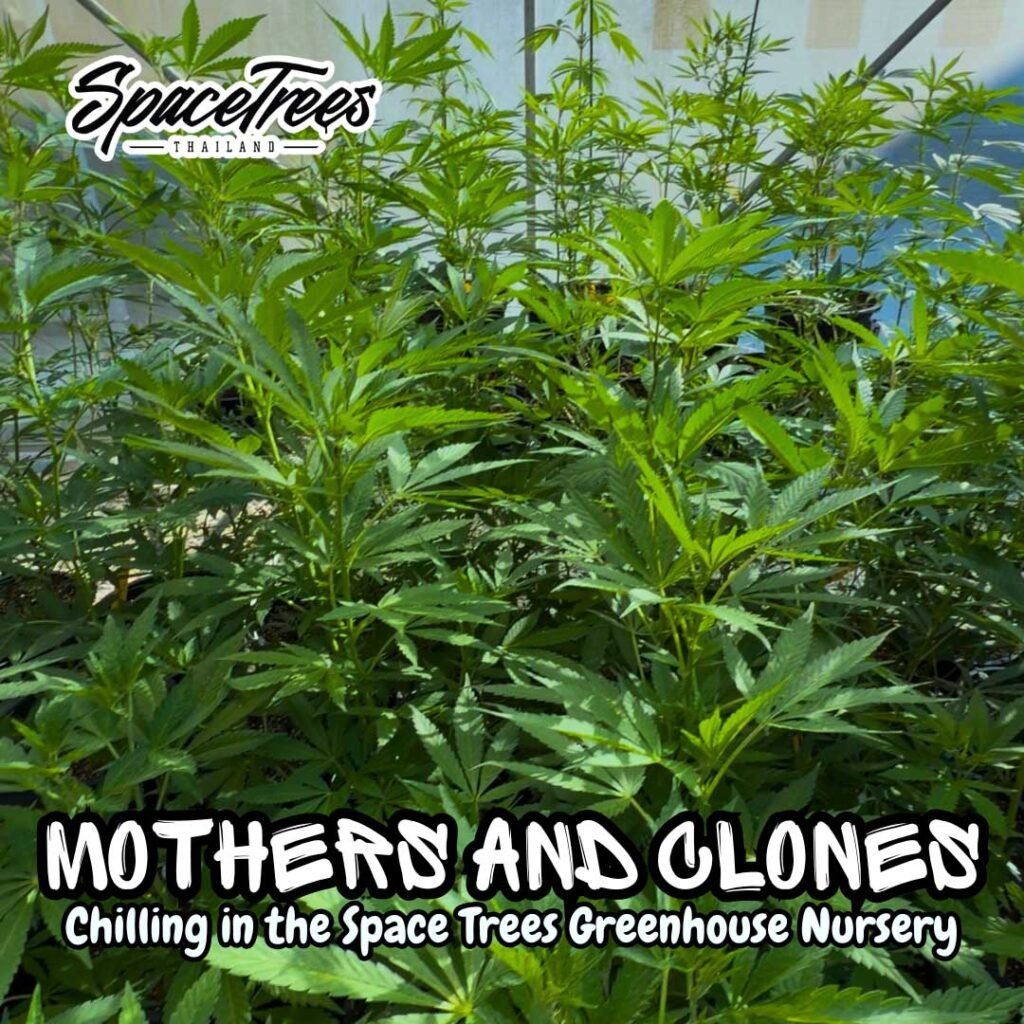
Quarantine Every new plant — every clone, every mother, every seedling from outside the facility — enters quarantine before joining the main grow. A minimum 7–14 day observation period under isolated conditions catches most pest and pathogen issues before they can spread.
Biological Controls: Nature’s Pest Management Team
Biological control is the most elegant level of cannabis IPM — using living organisms to manage pest populations naturally, without chemical intervention.
Beneficial Insects
Predatory Mites (Phytoseiidae) The workhorse of biological cannabis IPM. Species like Amblyseius cucumeris, Neoseiulus californicus, and Phytoseiulus persimilis are voracious predators of spider mites, russet mites, thrips larvae, and other soft-bodied cannabis pests. Introduced preventatively, predatory mites establish resident populations that provide continuous protection.
Ladybirds (Coccinellidae) Both larvae and adults feed on aphids, scale insects, and other soft-bodied pests. Highly effective in larger grow environments where aphid pressure is a recurring challenge.
Lacewings (Chrysopidae) Lacewing larvae — sometimes called “aphid lions” — are aggressive generalist predators that consume aphids, thrips, whitefly, spider mites, and small caterpillars. Highly effective as part of a diverse cannabis IPM biological control programme.
Parasitic Wasps (Encarsia formosa, Aphidius colemani) Microscopic parasitic wasps that lay their eggs inside pest insects — effectively destroying the pest population from the inside. Encarsia formosa is highly specific to whitefly. Aphidius colemani targets aphids. Neither species poses any risk to the cannabis plant, the grower, or the living soil ecosystem.
Beneficial Nematodes
Steinernema feltiae and Heterorhabditis bacteriophora are microscopic roundworms that actively hunt and destroy soil-dwelling pest larvae — most importantly fungus gnat larvae, which cause root damage that can be as destructive to cannabis plants as the fungus gnats themselves are to seedlings.
Applied to the root zone of a living soil system, beneficial nematodes integrate seamlessly with the existing microbial ecosystem and provide sustained protection against soil-level cannabis pests.
Microbial Controls
Bacillus thuringiensis (Bt) A naturally occurring soil bacterium whose protein toxins are lethal to specific pest species — particularly fungus gnat larvae (Bt israelensis) and caterpillars (Bt kurstaki) — while completely harmless to plants, mammals, beneficial insects, and the living soil ecosystem.
Beauveria bassiana An entomopathogenic fungus that infects and kills a wide range of cannabis pests including aphids, thrips, whitefly, and spider mites. Applied as a foliar spray in the cannabis IPM programme, it is highly effective when conditions are right and integrates naturally with a living soil environment.
Mechanical and Physical Controls
Mechanical controls are the third level of the cannabis IPM hierarchy — physical interventions that reduce pest populations without chemical or biological agents.
Yellow and Blue Sticky Traps Indispensable cannabis IPM monitoring and control tools. Yellow traps attract fungus gnats, whitefly, and aphids. Blue traps attract thrips. Hung at canopy level throughout the grow room, sticky traps serve dual purpose — monitoring pest population trends and physically removing flying adults from the environment.
Insect Netting and Physical Barriers Fine mesh netting over intake air vents prevents flying pests from entering the grow environment entirely. In outdoor and greenhouse cultivation, physical exclusion netting over the full canopy is one of the most effective cannabis IPM measures available.
Manual Removal Labour-intensive but effective for early-stage infestations — particularly for larger pests like caterpillars and adult beetles that biological controls target slowly. Manual inspection and removal during regular monitoring rounds is a core part of the Space Trees cannabis IPM protocol.
Water Sprays High-pressure water application to the underside of leaves physically dislodges aphid and spider mite colonies without any chemical intervention. Particularly effective in early-stage infestations before population numbers build.
Organic Chemical Controls: The Last Resort
When the first three levels of cannabis IPM are insufficient, targeted organic chemical controls provide a bridge between biological management and the unacceptable option of synthetic pesticide application.
Neem Oil Cold-pressed neem oil — specifically its active compound azadirachtin — is one of the most broad-spectrum organic cannabis IPM tools available. It disrupts insect growth cycles, acts as a feeding deterrent, and has antifungal properties that support powdery mildew management. Apply to the root zone (soil drench) only during vegetative growth — never as a foliar spray in flower.
Insecticidal Soaps Potassium salt-based insecticidal soaps disrupt the cell membranes of soft-bodied insects — aphids, spider mites, whitefly — on contact without leaving harmful residues. Highly effective when applied directly to pest colonies. Degrade rapidly and leave no soil residue.
Diatomaceous Earth Food-grade diatomaceous earth applied to the soil surface and base of stems creates a physical barrier that damages the exoskeleton of crawling insects — fungus gnats, shore flies, and soil-dwelling beetles — causing dehydration and death without any chemical toxicity.
Spinosad Derived from a naturally occurring soil bacterium, spinosad is highly effective against thrips, caterpillars, and fungus gnat larvae. It degrades rapidly in UV light and leaves no harmful residues. Use sparingly — resistance can develop in thrips populations with repeated exposure.
Pyrethrin Botanical pyrethrin — extracted from chrysanthemum flowers — is a broad-spectrum contact insecticide that breaks down rapidly in light and air. Effective for acute high-pressure infestations as a reset tool. Use only as a genuine last resort and never in flower.
The Most Common Cannabis Pests and How to Handle Them
The following pests represent the most frequent challenges in cannabis IPM programmes worldwide. Each is covered in depth in dedicated articles in the Space Trees Growing and Craft blog:
Spider Mites — The most feared cannabis pest. Hot, dry conditions trigger explosive population growth. Prevention through humidity control and predatory mite introduction is the most effective cannabis IPM strategy. (Full guide coming soon)
Fungus Gnats — The most common cannabis IPM challenge in living soil grows. Adults are harmless nuisances; larvae cause root damage. Beneficial nematodes, Bt israelensis, and sticky traps form the core management response. (Full guide coming soon)
Thrips — Fast-moving, hard to spot, and capable of significant damage. Blue sticky traps, Amblyseius cucumeris, and spinosad form the tiered cannabis IPM response. (Full guide coming soon)
Aphids — Colony-building sap-feeders that reproduce rapidly. Ladybirds, lacewings, Aphidius colemani, and insecticidal soap provide effective control. (Full guide coming soon)
Powdery Mildew — A fungal pathogen rather than a pest, but managed through the same cannabis IPM framework. Prevention through airflow and humidity control. Potassium bicarbonate and hydrogen peroxide solutions for active infections. (Full guide coming soon)
Russet Mites — Invisible to the naked eye and devastatingly destructive. Predatory mites and sulphur-based treatments form the cannabis IPM response. (Full guide coming soon)
Monitoring and Documentation
No cannabis IPM programme is effective without systematic monitoring. A reactive cannabis IPM approach — waiting until you see pest damage before acting — is already too late. You cannot manage what you do not measure..
Weekly Inspection Protocol Every plant in every grow room at Space Trees receives a minimum weekly inspection — checking the undersides of leaves (where most pests establish), the soil surface, the stem base, and the overall canopy appearance for any signs of pest or pathogen pressure.
Sticky Trap Counting Yellow and blue sticky traps are checked and counted weekly. Rising numbers on specific trap types — particularly a sudden spike in fungus gnat numbers — triggers the next level of the cannabis IPM response before populations reach problematic levels.
Grow Journal Documentation Every pest observation, every biological control application, and every intervention outcome is documented in the grow journal. This data builds over time into an invaluable resource — identifying which pests appear at which points in the grow cycle, which controls work most effectively in the Space Trees environment, and where the cannabis IPM programme can be refined.
The Space Trees Cannabis IPM Philosophy
At Space Trees Chiang Mai, our cannabis IPM programme reflects a simple principle: you cannot grow premium living soil cannabis and use synthetic pesticides. Our cannabis IPM starts in the soil.
Our cannabis IPM starts in the soil — with a living ecosystem so biologically diverse and active that pest pressure is naturally suppressed from the root zone up. It continues with companion planting, strict environmental controls, rigorous sanitation, and a biological control programme built around predatory mites, beneficial nematodes, and microbial controls that integrate seamlessly with the living soil environment.
In four years of living soil cultivation at Space Trees, we have never used a synthetic pesticide. Our cannabis IPM programme is why every jar on our menu is clean, residue-free, and grown the way cannabis is supposed to be grown.
This commitment is not just a quality decision — it is a health decision. Cannabis grown under a robust cannabis IPM programme in living soil, with no synthetic inputs, is a fundamentally different product to conventionally grown cannabis. You can taste the difference. You can smell the difference. You can feel the difference.
Browse the full Space Trees menu and the living soil philosophy behind it: Strains and Products
The Cannabis IPM Content Series
Cannabis IPM is one of the most important and complex topics in craft cannabis cultivation — too large to cover comprehensively in a single article. This post is the hub of a growing content series covering every major cannabis IPM topic in depth:
- What Is Living Soil Cannabis? — The biological foundation of our IPM approach
- Cannabis Cloning Guide — Quarantine and sanitation protocols for clean propagation
- Cannabis IPM: Spider Mites — (coming soon)
- Cannabis IPM: Fungus Gnats — (coming soon)
- Cannabis IPM: Thrips — (coming soon)
- Cannabis IPM: Powdery Mildew — (coming soon)
- Cannabis IPM: Beneficial Insects Guide — (coming soon)
- Cannabis IPM: Neem Oil — The Complete Guide — (coming soon)
Bookmark this page — we add new cannabis IPM guides to the series regularly.
Frequently Asked Questions
What is cannabis IPM?
Cannabis IPM — Integrated Pest Management — is a holistic, prevention-first approach to pest control in cannabis cultivation. Rather than relying on chemical pesticides, cannabis IPM combines prevention, biological controls, mechanical interventions, and organic chemical controls in a tiered hierarchy that manages pest pressure while protecting the growing ecosystem.
Why is IPM important in living soil cannabis cultivation?
In living soil systems, synthetic pesticides destroy the microbial ecosystem — the billions of bacteria, mycorrhizal fungi, and beneficial organisms that produce the terpene complexity and cannabinoid quality that defines craft cannabis. Cannabis IPM is the only pest management approach compatible with living soil cultivation.
What are the most effective biological controls for cannabis IPM?
Predatory mites (Amblyseius cucumeris, Phytoseiulus persimilis) are the most widely used and effective biological controls in cannabis IPM — particularly for spider mites and thrips. Beneficial nematodes (Steinernema feltiae) are the primary defence against fungus gnat larvae. Parasitic wasps (Encarsia formosa) target whitefly.
Can I use neem oil in a living soil cannabis IPM programme?
Yes — neem oil is compatible with living soil when used correctly. Apply as a soil drench (never foliar in flower) during vegetative growth. Avoid applying directly to areas of high mycorrhizal activity. Cold-pressed neem oil at correct dilution rates does not significantly disrupt the living soil microbial ecosystem.
How do I know if my cannabis IPM programme is working?
Consistent weekly monitoring with sticky traps and visual plant inspection is the primary measure. A well-functioning cannabis IPM programme shows stable or declining trap counts, no visible pest damage on plants, and healthy new growth throughout the grow cycle.
Does Space Trees use pesticides on their cannabis?
No — Space Trees has never used synthetic pesticides. Our cannabis IPM programme is built entirely on prevention, biological controls, and organic interventions that are compatible with our living soil growing system. Every strain on our menu is grown clean — no synthetic inputs at any stage of cultivation.
What is the most common cannabis pest in Chiang Mai indoor grows?
Fungus gnats are the most common cannabis IPM challenge in Chiang Mai indoor living soil grows — driven by the warm, humid climate and the organic-rich growing medium that gnat larvae thrive in. Beneficial nematodes and Bt israelensis are the primary cannabis IPM responses. A full guide is coming soon in the Space Trees IPM series.
Last updated: 2026 | Written by the Space Trees cultivation team. Sam Walker — cannabis cultivation specialist with 20+ years of experience. For educational purposes. Always comply with local laws and regulations regarding cannabis cultivation.